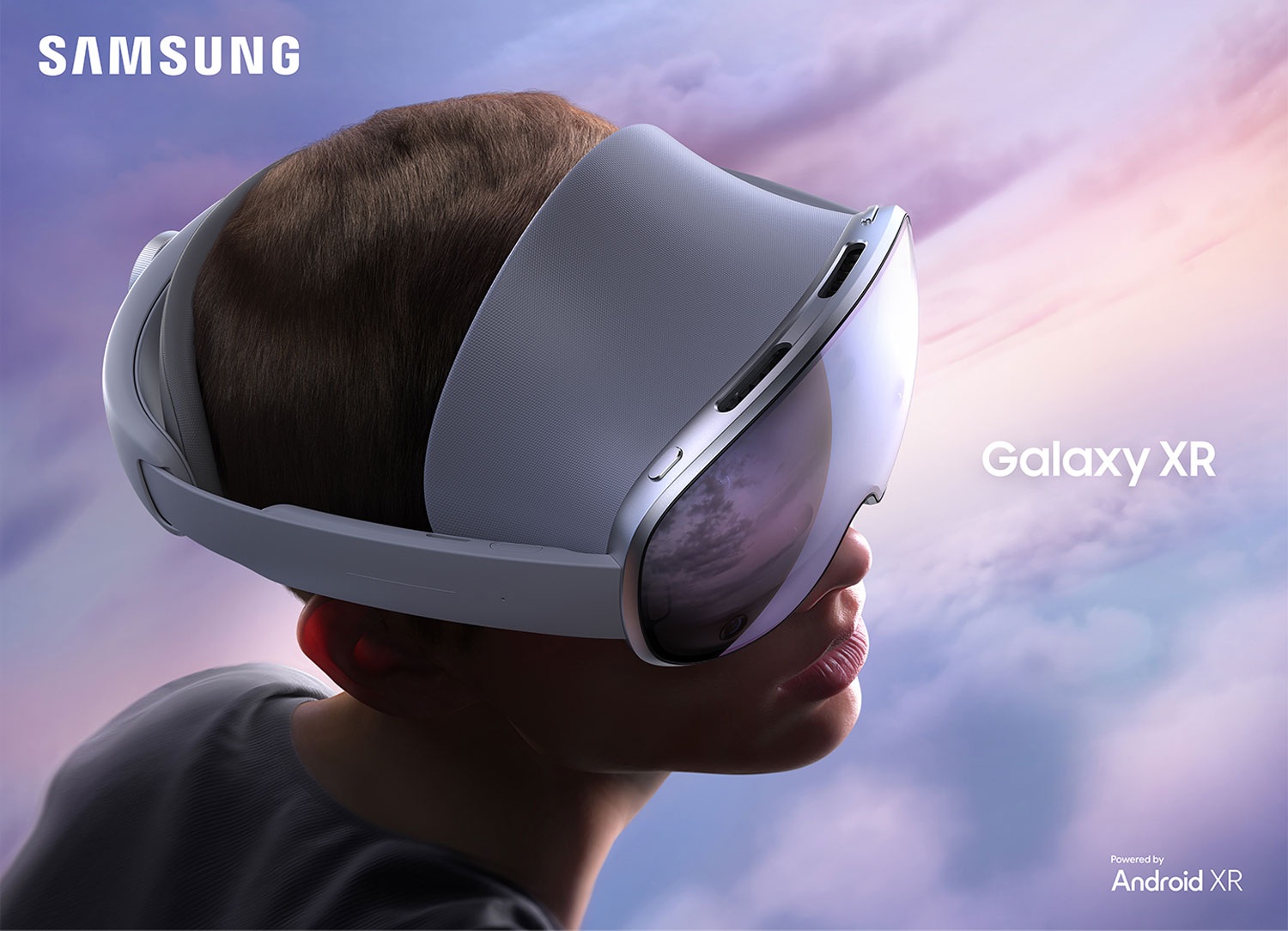
Samsung has officially launched the Galaxy XR, its first mixed reality headset, created in collaboration with Google and Qualcomm. This marks the start of a new era for Android XR devices, with the trio promising a wide range of future products — including AI-powered smart glasses.
The Galaxy XR features dual micro-OLED displays with a combined resolution of 3,552 × 3,840 pixels, offering nearly 8K visual clarity. Refresh rates range from 60Hz to 90Hz, while the headset’s 109° horizontal and 100° vertical field of view ensures an immersive experience.
Two front cameras enable video passthrough, allowing users to see their real-world surroundings in mixed reality mode. These cameras can also capture 3D photos and videos. Additionally, six world-facing cameras handle inside-out tracking, enabling precise positional and hand tracking without the need for external sensors.
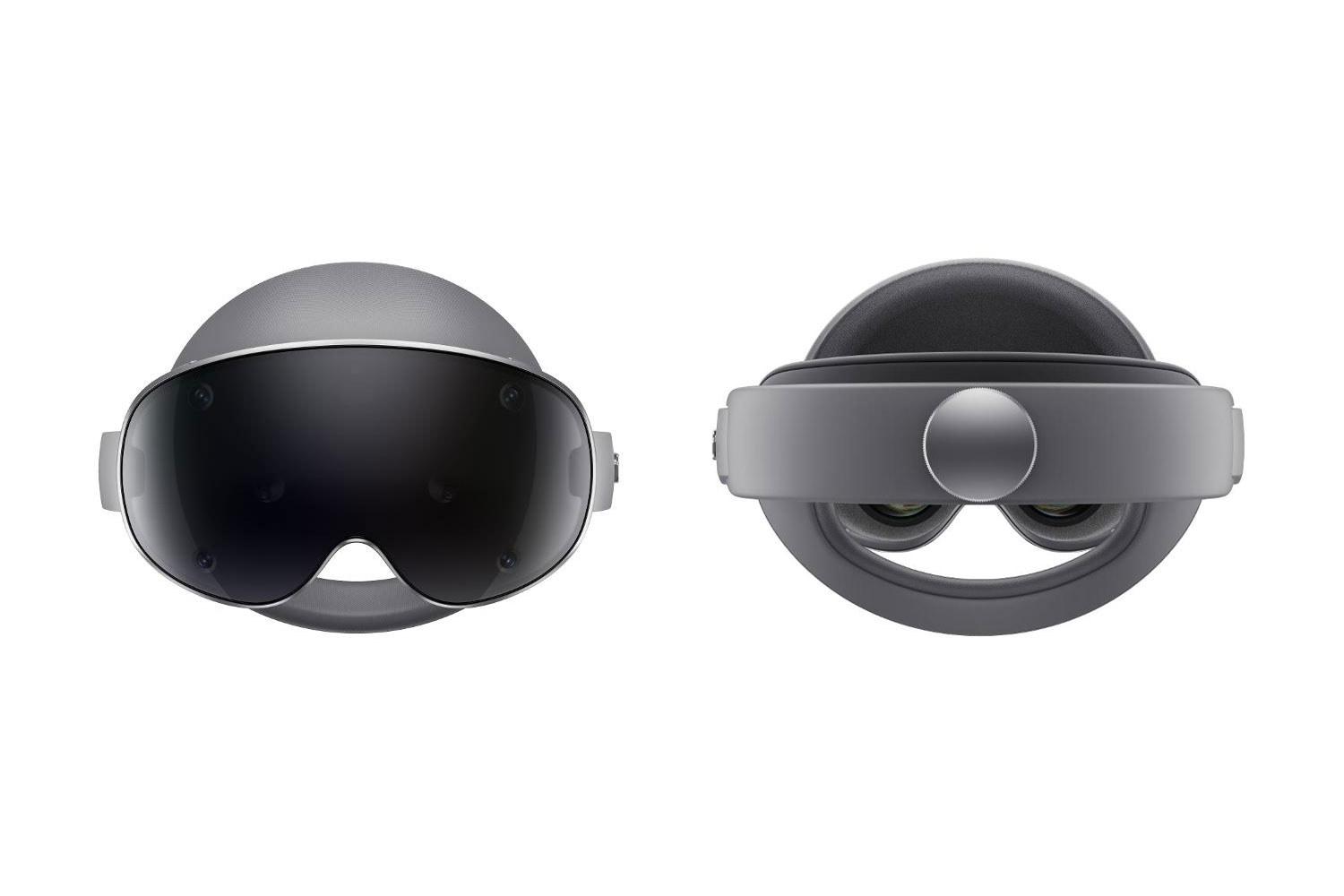
Inside, four eye-tracking cameras detect what you’re looking at, while iris recognition allows for secure unlocking and app authentication. The headset also includes depth sensors, five IMUs, and a flicker sensor for smooth tracking under artificial lighting.
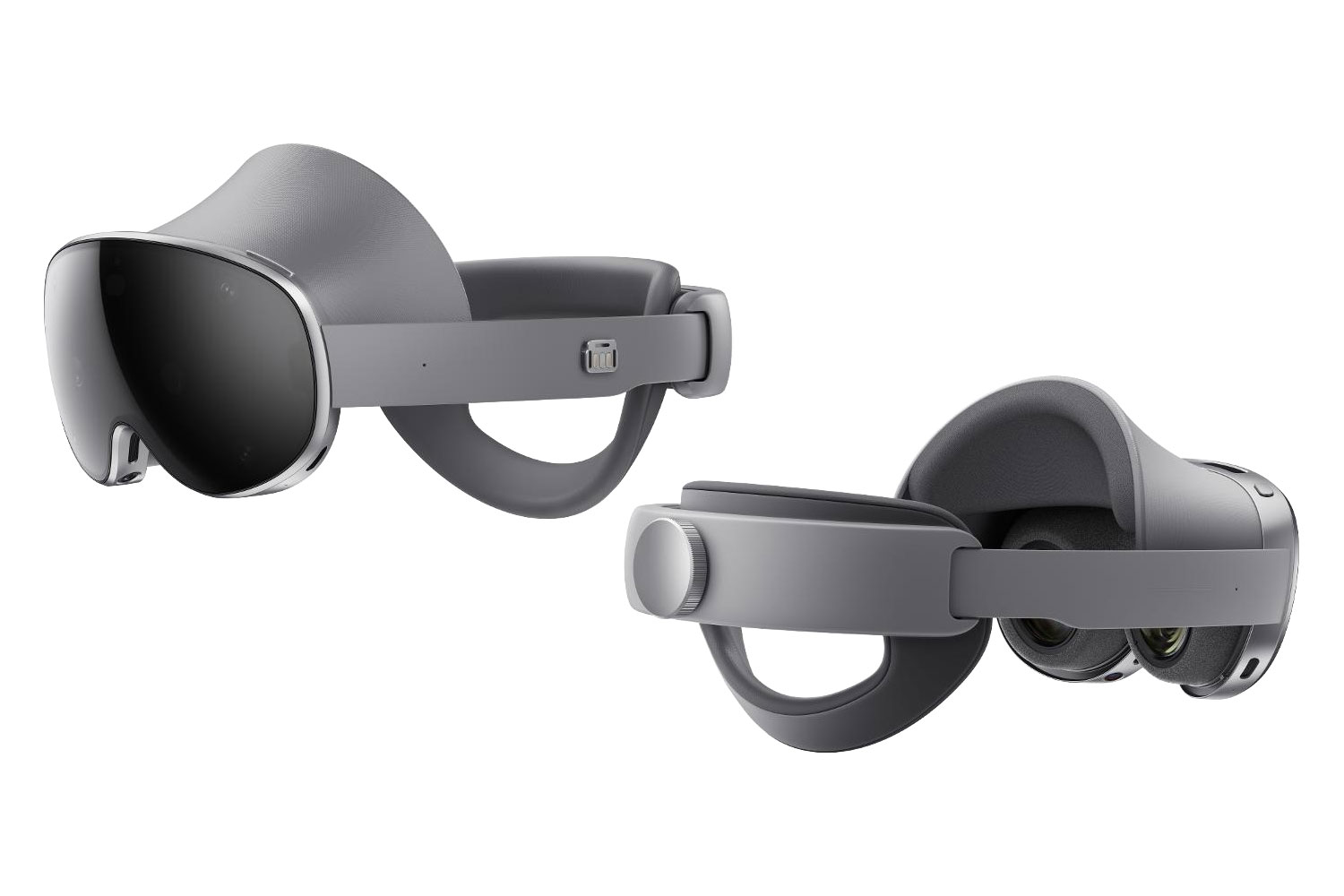
Weighing 545g (plus a 302g external battery), the Galaxy XR’s design distributes pressure evenly across the forehead and head for better comfort. The separate battery setup helps reduce strain on the neck.
Under the hood, the Galaxy XR runs on Qualcomm’s Snapdragon XR2+ Gen 2 processor — offering a 20% faster CPU and 15% faster GPU compared to its predecessor. It’s paired with 16GB of RAM and 256GB of storage, and supports 12ms full-color video passthrough.
Battery life is rated for up to 2.5 hours when watching 2D videos, and around 2 hours with typical XR use.
Running on the new Android XR platform, the Galaxy XR supports all Android apps out of the box, with developers able to build XR-specific experiences through OpenXR, WebXR, and Unity.
Google’s Gemini AI plays a key role here — the headset “sees” and “hears” what you do, enabling natural, context-aware conversations. You can, for example, plan trips using Google Maps, find places via Gemini, or circle objects in passthrough mode to start a Circle to Search-style query.
Gemini can also help you explore YouTube content, give real-time suggestions, or assist while gaming. For creators, Adobe Project Pulsar lets users edit XR videos directly in 3D space, while AI tools can convert 2D photos and videos into immersive 3D content.
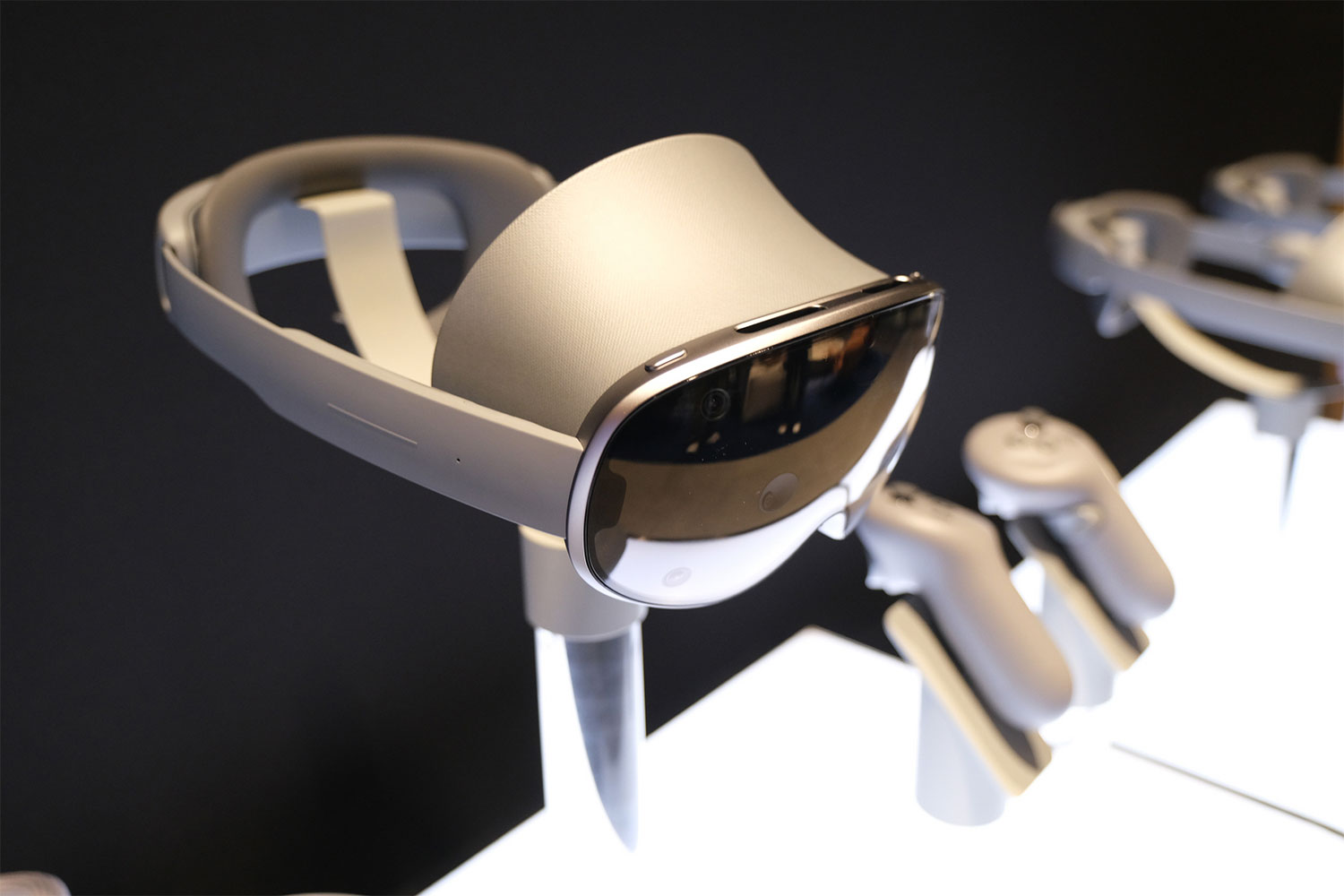
The Galaxy XR supports Wi-Fi 7, Bluetooth 5.4, and features six microphones to capture your voice and environmental audio. Dual two-way speakers (woofer + tweeter) deliver spatial sound for a more realistic audio experience.
The Samsung Galaxy XR is now available in the US and South Korea, priced at $1,800 (approximately RM8,600). There’s no word yet on Malaysian availability.
About Post Author