The James Dyson Award is officially open for submissions for its 2026 edition, calling on young innovators to present ideas that tackle real-world challenges through design and engineering. Established by James Dyson, the global competition has supported more than 400 inventions since its inception and continues to provide a platform for students and recent graduates to turn creative ideas into impactful solutions.
Organised by Dyson, the award invites current and recent design and engineering students from 28 countries and regions to submit their inventions. The competition aims to encourage young problem-solvers who are passionate about improving the world through thoughtful engineering and practical innovation. Participants are encouraged to develop solutions that address real issues, ranging from environmental sustainability and healthcare to everyday consumer challenges.
Entries submitted to the competition will first be reviewed by national judging panels consisting of design and engineering experts, including engineers from Dyson. Each participating country will select a national winner, who will receive MYR 27,160 and advance to the international stage of the competition. From there, global winners will be chosen personally by James Dyson, with each receiving MYR 162,999 to help further develop their invention and potentially bring it to market.
Beyond the prize money, the award also offers something equally valuable to young innovators: global media exposure and international recognition. Past winners have leveraged the competition as a stepping stone to launch startups, secure funding, and commercialize their ideas. By providing visibility and credibility, the James Dyson Award aims to help young inventors accelerate the journey from concept to real-world impact.
Speaking about the competition, James Dyson emphasized the importance of encouraging practical problem-solving among young engineers. He said he established the award to support individuals who focus on addressing problems they see in the world rather than simply discussing them. According to Dyson, the competition has consistently revealed brilliant ideas from emerging design engineers, many of whom have gone on to build businesses and bring their innovations to global markets. He also expressed excitement about reviewing the submissions for this year’s edition.
James Dyson Award 2025 Winners
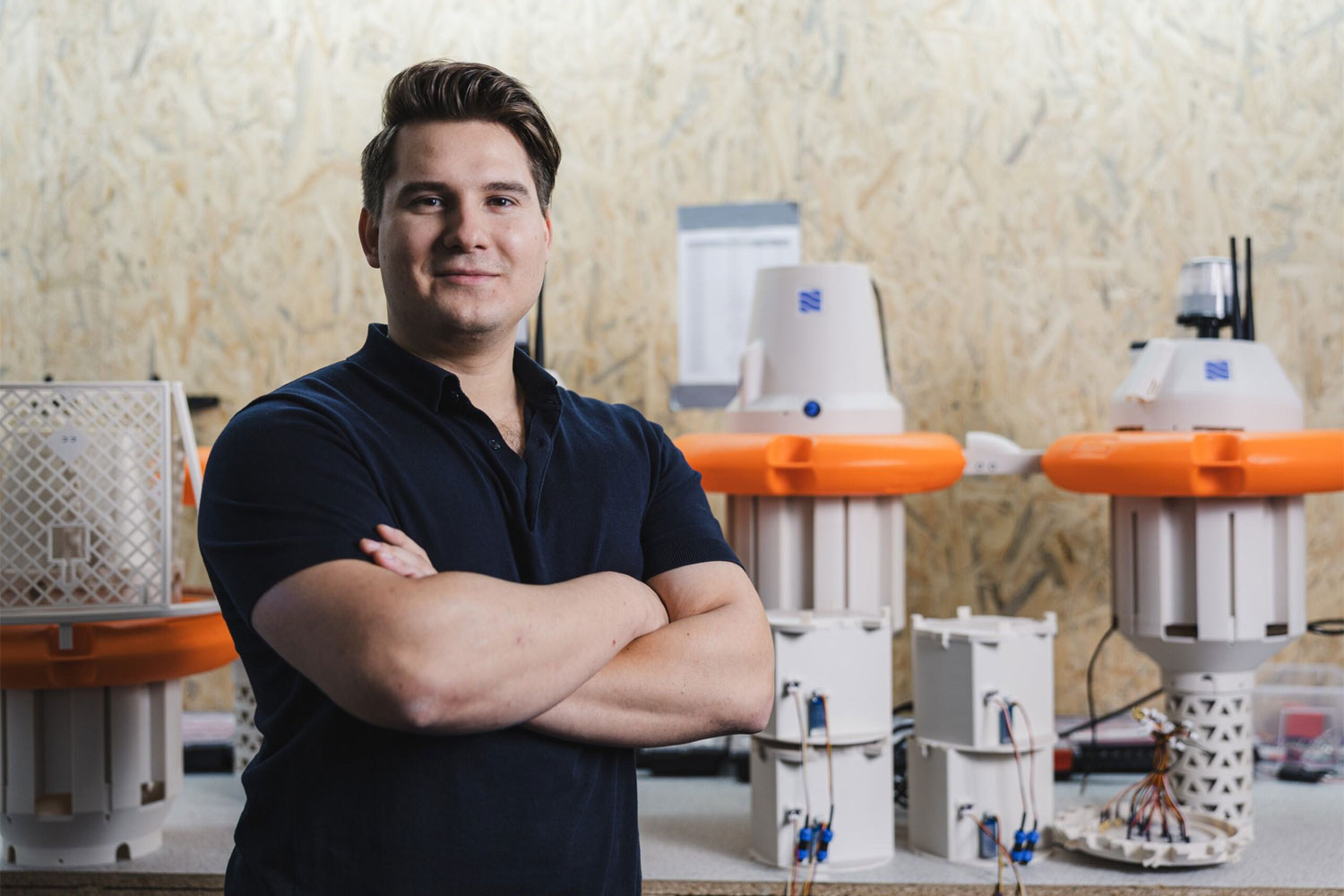
In 2025, the competition celebrated its 20th anniversary and received more than 2,100 entries from young engineers around the world. The inventions submitted covered a wide range of fields, including healthcare innovation, waste management, and disaster response technologies. One of the standout winners last year was WaterSense, which received the global Sustainability Prize. Developed by Filip Budny, a PhD candidate in nanotechnology at Warsaw University of Technology, the device is an autonomous water quality monitoring system that replaces traditional manual sampling. Using AI-powered monitoring and real-time data analysis, WaterSense can detect water pollution early and alert authorities before the contamination spreads.
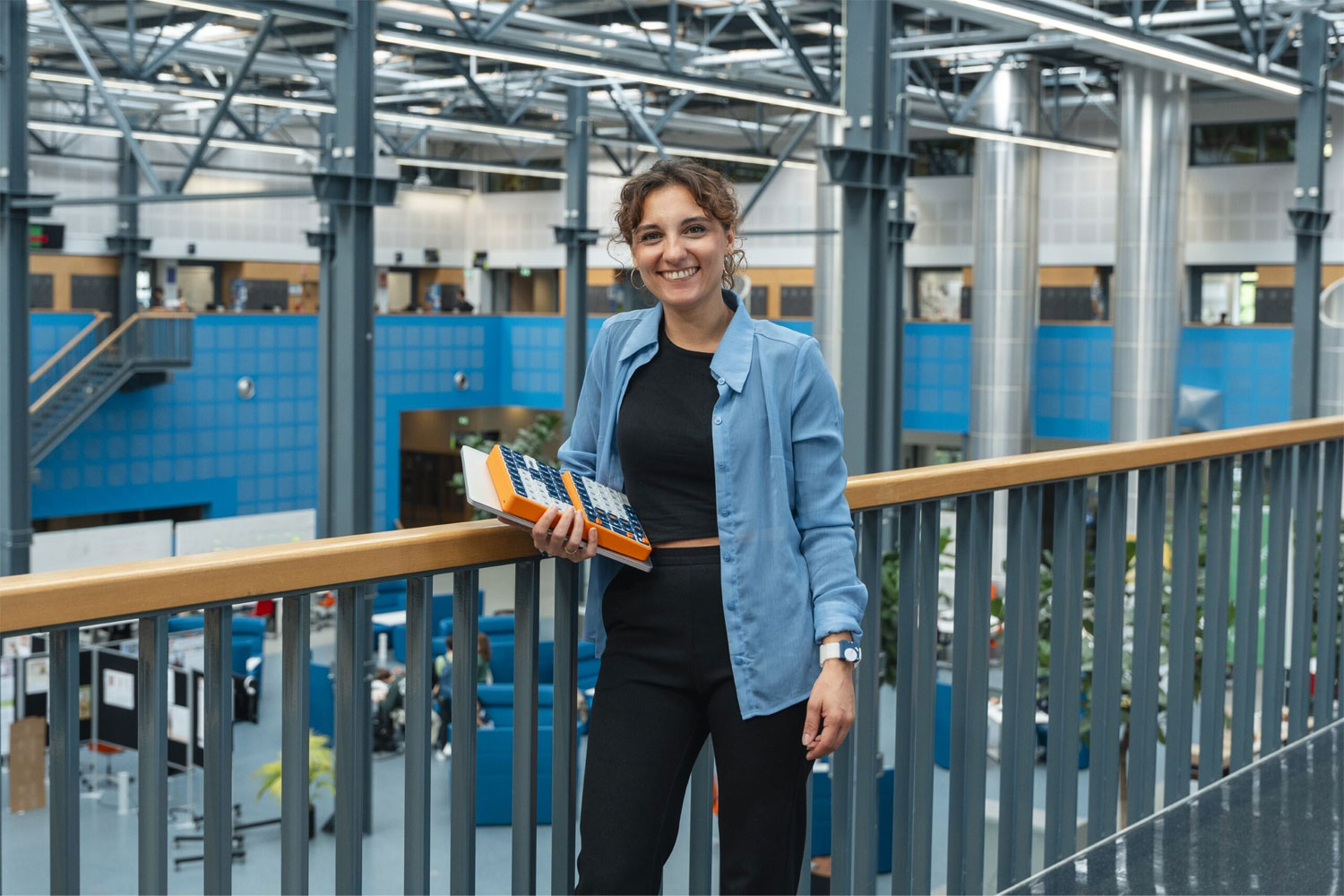
Another major winner from the 2025 competition was OnCue, which received the global Medical Prize. Created by Italian product designer Alessandra Galli, a graduate of Delft University of Technology, OnCue is a smart keyboard designed for people living with Parkinson’s disease. The device uses a combination of haptic and visual cues to help users manage motor symptoms while typing, reducing errors and making digital communication more accessible for those affected by the condition.
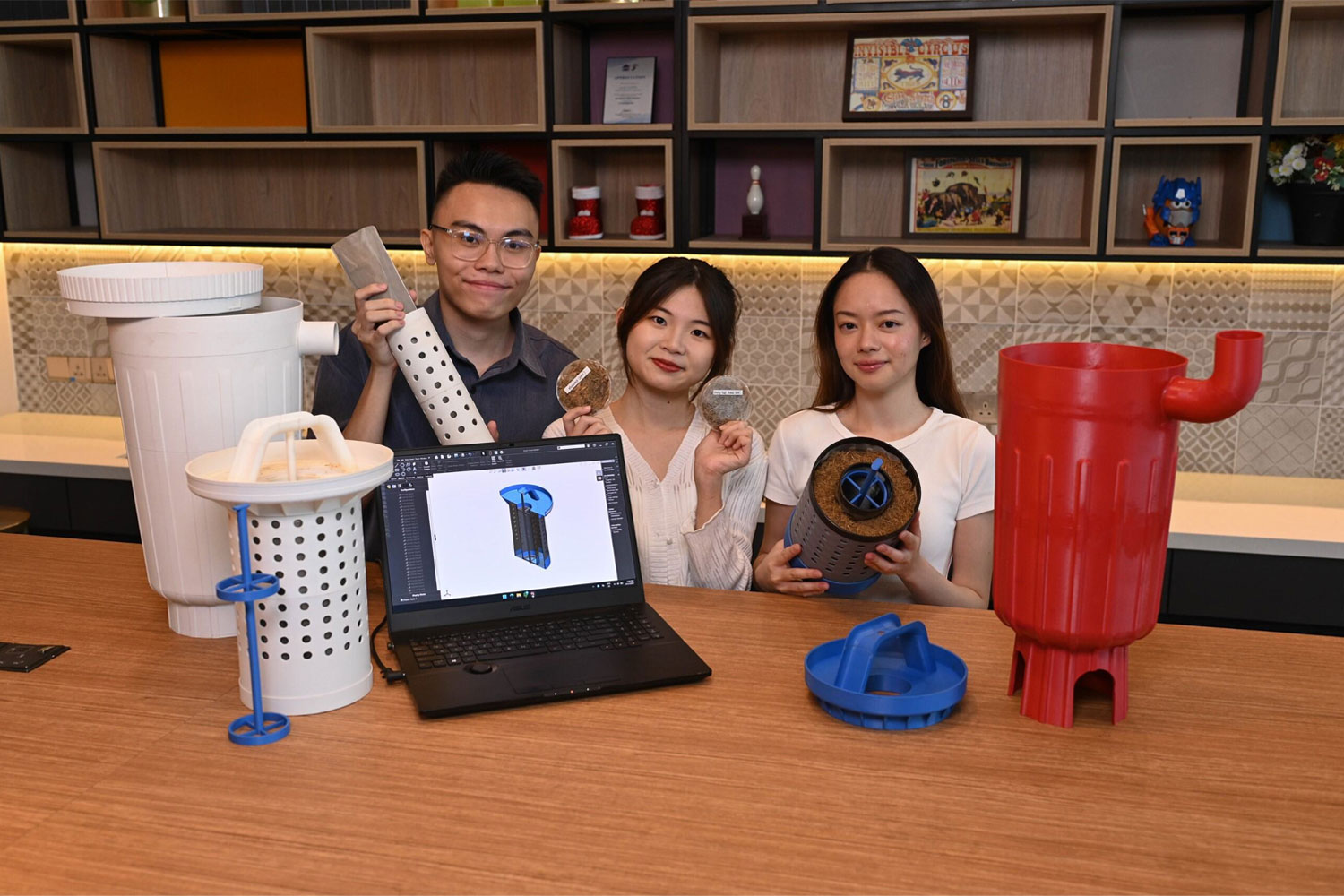
Malaysia has also made a strong showing in recent editions of the competition. In 2025, the country’s National Winner and Global Top 20 finalist was UNBLOK, a biodegradable under-sink filtration system designed to trap fats, oils, and grease before they enter household pipes. Developed by Ong Jing Rou, Natalie Tham Li Thing, and Ng Wen Kai from the Asia Pacific University of Technology & Innovation, the modular filter is made using palm-oil fibre, repurposing agricultural waste into a practical and environmentally friendly solution that helps prevent pipe blockages and reduce pollution.
2024 National Winner
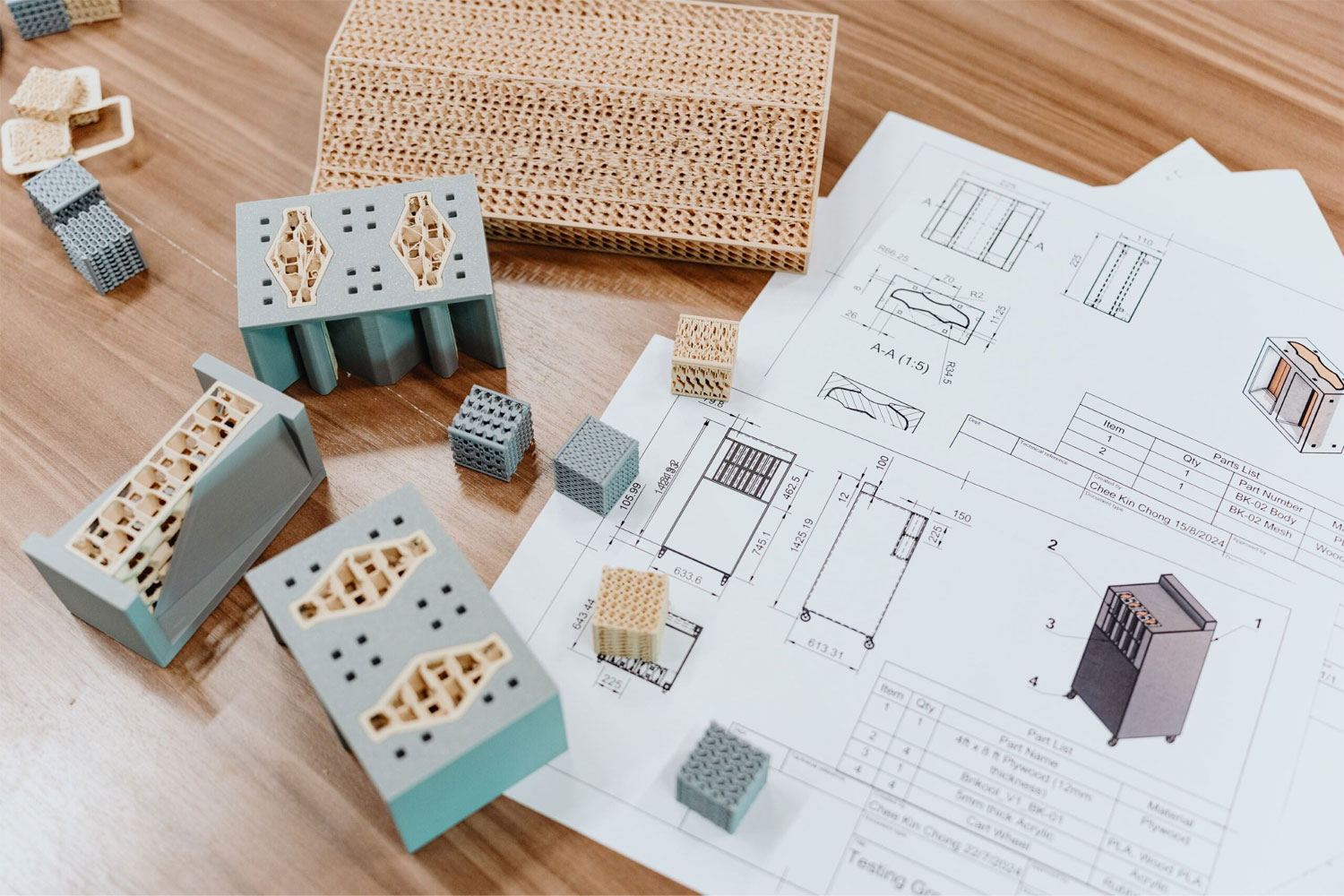
The year before that, Malaysia’s 2024 National Winner was Brikoole, a passive cooling system integrated directly into building structures. Created by Chee Kin Chong (Wayne) and Kah Zun Ng (Nixon), also from the Asia Pacific University of Technology & Innovation, the system uses controlled airflow and evaporative cooling to reduce indoor temperatures without relying on external power sources. The innovation can reduce indoor temperatures by approximately 6°C, offering potential benefits in energy efficiency and carbon emission reduction, especially in tropical climates.
How to Enter
For the 2026 edition, students and recent graduates in design and engineering disciplines are invited to submit their entries through the official James Dyson Award website. The submission deadline has been set for midnight on 15 July 2026.
According to the organisers, the most successful entries are typically those that clearly identify a real-world problem and demonstrate a thoughtful design process in solving it. Judges also look for originality, strong engineering principles, and practical feasibility. By combining creativity with technical expertise, participants have the opportunity not only to win recognition and funding but also to bring meaningful innovations that could benefit society.
About Post Author